
How to Choose the Right Forklift Batteries for Your Grocery & Food Service Operations
Key Considerations for Choosing Forklift Batteries in Grocery and Food Service Warehouses
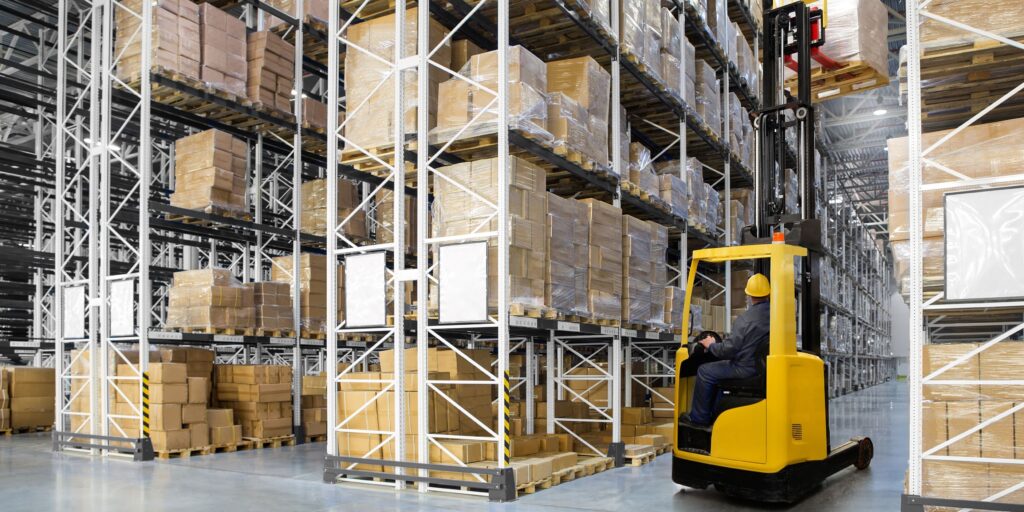
When managing a grocery or food service warehouse, keeping your forklifts operational is critical to ensuring that inventory moves efficiently and safely. Choosing the right forklift batteries is a key factor in maximizing uptime, improving productivity, and reducing operational costs. Here are some of the key considerations to keep in mind when selecting forklift batteries for these industries.
1. Temperature Performance for Cold Storage
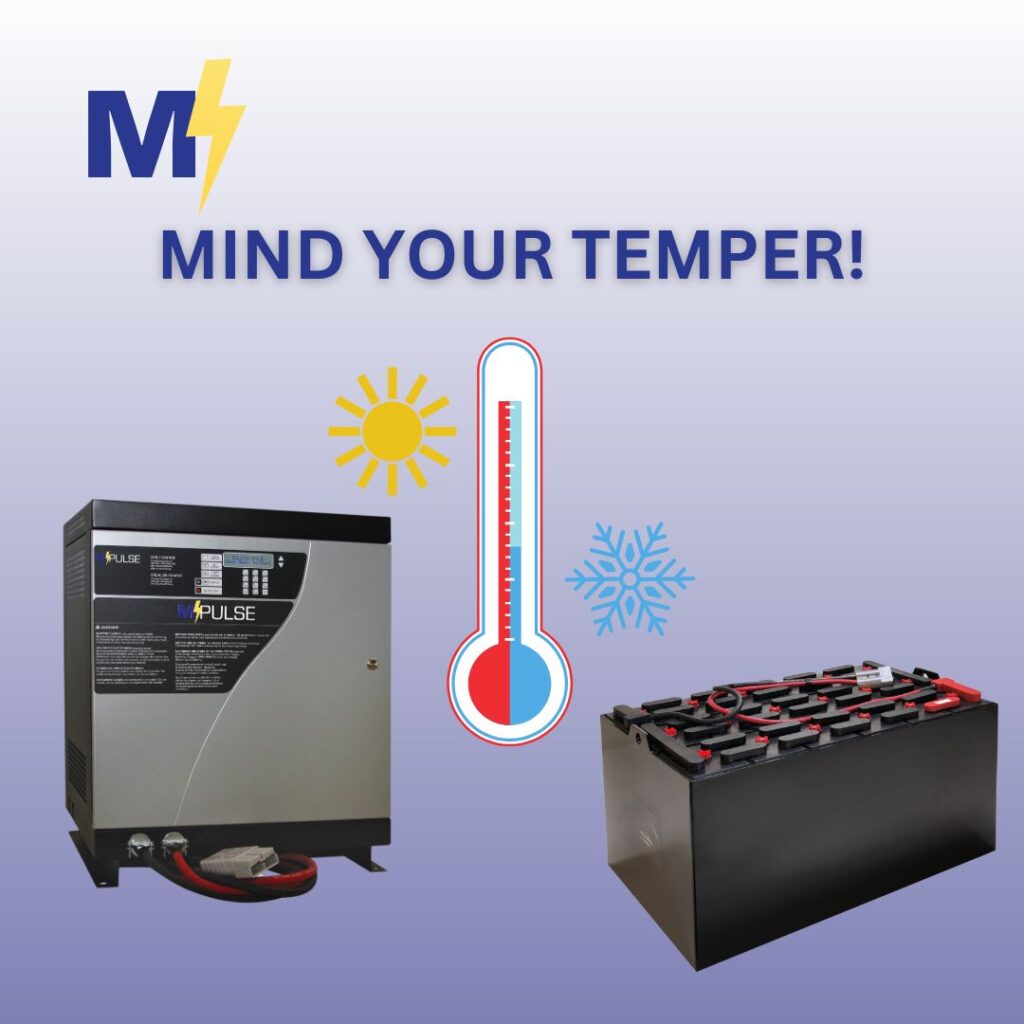
Food service and grocery warehouses, particularly those dealing with perishable goods, often require forklifts to operate in cold storage or refrigerated environments. Cold temperatures can significantly impact forklift battery performance, leading to reduced capacity and shorter operational times. Without the right battery, forklifts may experience slower lifting speeds, decreased run time, and less efficient operation, which can disrupt overall productivity.
M-Pulse Batteries are built to withstand these challenges. By using only the highest grades of lead, lead oxide, sulfuric acid, and premium insulating materials, M-Pulse delivers batteries with dependable power and long life, even in cold storage applications. This high-quality construction minimizes temperature-related performance issues, ensuring your forklifts remain operational and efficient in the demanding environments of food service and grocery warehouses.
2. High Cycle Demands
Forklifts in grocery and food service operations are often in constant use, especially during peak times like stock replenishment or around holidays. This results in high cycle demands, meaning the batteries must be able to handle frequent charging and discharging without compromising their lifespan or performance.
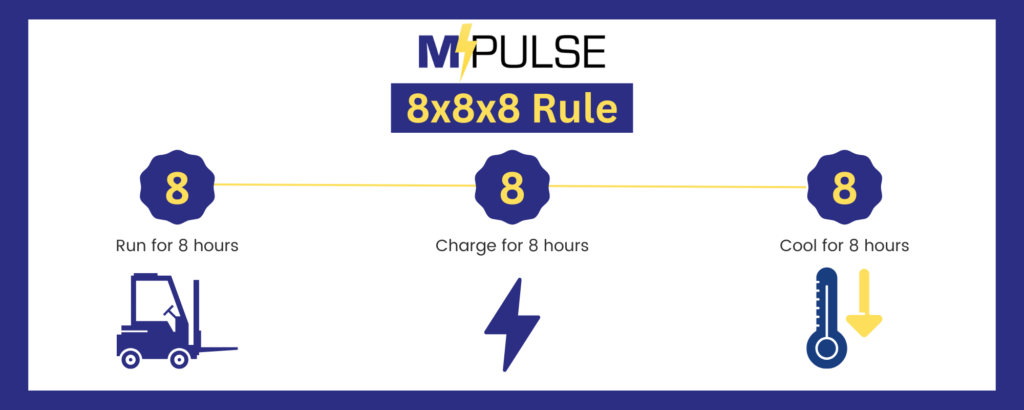
In high-cycle environments, short-cycling — recharging batteries before they are fully discharged — is a common issue that can lead to long-term damage to the battery cells. This undermines the effectiveness of the 888 rule, which suggests 8 hours of operation, 8 hours of charging, and 8 hours of rest to maximize battery life and performance. When batteries are not allowed to complete a full charge cycle, their capacity decreases more quickly, leading to reduced efficiency.
To mitigate this, it’s crucial to ensure proper battery management. M-Pulse Fleet™ battery fleet management tool, helps monitor battery health and performance, ensuring that your forklifts are charging correctly and not short-cycling. By tracking battery cycles and usage patterns, fleet managers can stay ahead of maintenance needs, extend battery life, and reduce downtime, contributing to a more efficient and reliable operation.
3. Charging Speed and Flexibility
As grocery and food service warehouses often operate with multiple shifts, forklift batteries must be charged efficiently to reduce downtime and maintain continuous productivity. Opportunity charging, which involves charging batteries during breaks or between shifts, can keep forklifts operational. However, as noted in the section above, avoiding excessive short-cycling (recharging before a full discharge) is essential, as this can harm the lifespan of lead-acid batteries.
While lead-acid batteries may not charge as quickly as lithium-ion options, thin plate lead-acid technology allows for rapid charging using high-frequency chargers, which speeds up the charging process while preserving battery health. These chargers can provide faster charging times, but they must be used correctly to avoid partial charging that could affect performance over time.
To ensure the longevity of your batteries, it’s essential to strike the right balance between quick recharges and full charge cycles. M-Pulse Fleet can help track battery health and charge status, ensuring that your batteries are charged appropriately without compromising
4. Hygiene and Cleanliness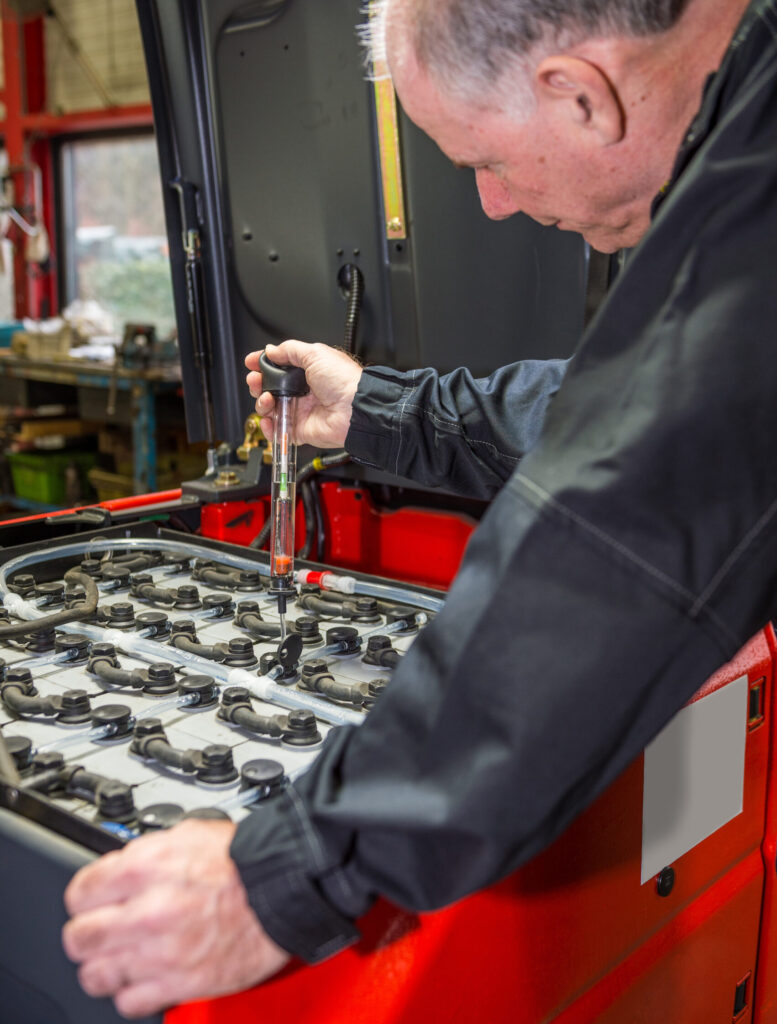
Maintaining a high standard of cleanliness is a top priority in food-related industries. Forklift batteries must meet stringent hygiene standards to avoid contaminating food storage or handling areas. This includes having sealed designs to prevent battery electrolyte spills and ensuring safe operation in areas where food products are present.
Forklift battery maintenance plays a critical role in maintaining cleanliness. Regular cleaning of the battery casing and surrounding areas helps prevent dirt, grease, and battery acid buildup, which can compromise both hygiene and battery performance.
To comply with safety regulations, such as OSHA and FDA guidelines, it’s crucial to ensure that forklift batteries are kept in clean, designated charging areas away from food handling or storage zones. Many modern forklift batteries, including those from M-Pulse, are designed with sealed constructions to prevent leaks and spills, making them safer for food industry environments.
Investing in batteries and charging systems that prioritize cleanliness and safe operation can help reduce risks, maintain compliance, and protect the integrity of your food products.
5. Battery Maintenance and Fleet Management
Routine maintenance is essential to extending the lifespan of your forklift batteries. Proper maintenance includes monitoring charge cycles, checking fluid levels, and cleaning terminals. For optimal performance, it’s critical to fully discharge and recharge forklift batteries, especially in cold storage environments where battery capacity can be significantly reduced.
To avoid potential damage from short-cycling, which can happen when batteries are charged before they are fully discharged, using a battery fleet management system like M-Pulse Fleet™ is highly recommended. This tool provides real-time insights into battery health, including the state of charge and maintenance history. Tracking all preventive maintenance, service, and repairs through M-Pulse Fleet ensures your fleet is always in top condition, reducing downtime and helping you maintain smooth operations across your warehouse.
6. Space and Charging Room Design
Efficiently managing the space for forklift battery storage and charging is crucial in any warehouse, especially in food processing operations where cleanliness is a top priority. Integrating battery wash equipment into your main battery change-out stations is a great way to keep batteries free of electrolyte build-up, which can lead to self-discharge and reduced lifespan. This cleaning process ensures that batteries remain in optimal condition and helps prevent contamination in environments where hygiene is essential.
To streamline this maintenance, consider the M-Pulse Fleet Maintenance program, which handles the upkeep of your forklift and battery systems. Our experts take care of everything, from washing to preventive maintenance, allowing you to focus on your distribution needs while ensuring your fleet operates at peak efficiency.
How M-Pulse Can Help?
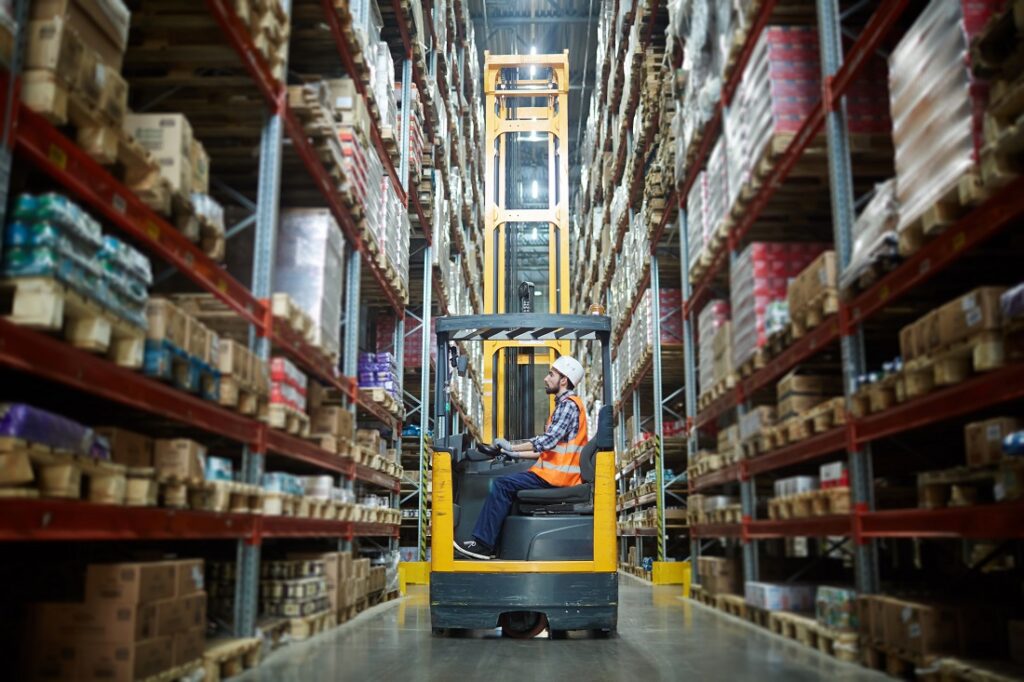
Selecting the right forklift batteries for your grocery and food service warehouse requires careful consideration of several factors, including performance in cold environments, maintenance needs, charging speed, and space efficiency. At M-Pulse Battery, we provide reliable, high-quality forklift batteries designed to meet the demands of food service and grocery operations.
If you’re looking for support with forklift battery selection, maintenance, or charging room design, M-Pulse offers a full suite of services to help optimize your warehouse operations.
For more information or expert assistance, contact us at (800) 641-6504 or info@mpulsepower.com. Let us help you keep your warehouse running smoothly with the right forklift battery solutions.